1
+
Qualified Employees
+
Successful Projects
+


Residential waste removal services keep living spaces clean and healthy by preventing garbage buildup, reducing pests, and minimizing environmental impact. They promote hygiene, prevent disease, and enhance community well-being and quality of life.

Commercial waste removal ensures clean, safe workplaces, prevents health risks, supports regulatory compliance, and promotes sustainability through recycling, benefiting both businesses and the environment.

Area sweeping services keep streets and public spaces clean by removing debris, enhancing safety, improving aesthetics, and preventing pollution, contributing to a cleaner community.
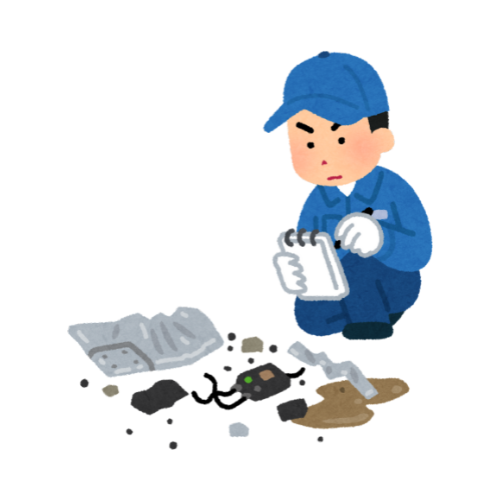
Debris removal clears waste and hazards, ensuring safety, cleanliness, and environmental protection. It enhances aesthetics and maintains functional, attractive spaces in communities.

Plot leveling prepares land for construction or landscaping, ensuring stability, proper drainage, and easier building. It enhances safety and creates a suitable foundation for development.

Waste recycling processes materials for reuse, reducing landfill use and conserving resources. It minimizes environmental impact, supports sustainability, and transforms waste into valuable resources for future use.

Renting waste management machinery provides efficient, flexible solutions for handling and disposing of waste. It offers cost-effective options and ensures proper processing for diverse needs.

Waste collection evaluation assesses efficiency and effectiveness in managing waste services. It identifies areas for improvement, optimizes routes, and enhances overall waste management performance and community satisfaction.

Transfer station management oversees the efficient handling and sorting of waste before transportation to final disposal or recycling. It optimizes operations and ensures effective waste flow.

Landfill management involves overseeing waste disposal, ensuring proper containment, and monitoring environmental impacts. It aims to minimize pollution, extend landfill lifespan, and comply with regulations.

Residential Waste Collection – Why Is It So Important ?
Residential waste collection is a fundamental service that plays a crucial role in maintaining public health, environmental sustainability, and overall quality of life. NJC Waste Management Systems provides this essential service, which involves the regular collection, transportation, and disposal of household waste, ensuring that communities remain clean, safe, and hygienic.
Public Health Protection:
One of the primary benefits of residential waste collection is its impact on public health. Regular and efficient waste collection prevents the accumulation of garbage, which can become a breeding ground for harmful bacteria, pests, and vermin. Unmanaged waste can attract rodents, insects, and other pests that pose health risks, potentially spreading diseases. By ensuring timely removal of waste, the service helps to minimize these risks and maintain a healthier living environment for residents.
Environmental Sustainability:
Residential waste collection is integral to environmental sustainability. Proper waste management practices, including recycling and composting, reduce the amount of waste that ends up in landfills. By separating recyclables and compostable materials, waste collection services help divert valuable resources away from landfills, promoting the reuse of materials and reducing the environmental impact. This not only conserves natural resources but also decreases greenhouse gas emissions associated with waste decomposition in landfills.
Aesthetics and Community Well-being:
A clean and well-maintained environment contributes significantly to community well-being and aesthetics. Regular waste collection prevents littering and reduces the visual impact of garbage on streets, parks, and residential areas. A clean neighborhood enhances residents’ quality of life, fosters community pride, and encourages social interaction. Moreover, well-kept areas are more likely to attract visitors and potential residents, supporting local economies and property values.
Compliance with Regulations:
Residential waste collection services also help communities comply with local, state, and national waste management regulations. Many regions have laws governing waste disposal, recycling, and composting. By providing a structured waste collection system, municipalities ensure that residents follow these regulations, reducing the risk of fines and penalties for improper waste disposal. This regulatory compliance is essential for maintaining public order and promoting responsible waste management practices.
Convenience and Efficiency:
The convenience provided by residential waste collection services cannot be overstated. Regular collection schedules eliminate the need for residents to transport their waste to disposal sites themselves, saving time and effort. This efficiency ensures that waste is managed systematically and prevents potential issues such as overfilled bins and unsightly waste piles. By streamlining the process, waste collection services enhance overall convenience for residents and contribute to the smooth functioning of community services.
Support for Waste Reduction Initiatives:
Many residential waste collection programs include educational components that promote waste reduction and sustainability practices. By providing residents with information on proper recycling, composting, and waste reduction strategies, these programs encourage environmentally responsible behavior. This educational aspect fosters a culture of sustainability within the community, leading to long-term benefits for both the environment and society.
Economic Benefits:
Investing in efficient residential waste collection services can also yield economic benefits. Reduced waste management costs through recycling and composting can lower overall expenditure for municipalities. Additionally, maintaining clean and attractive neighborhoods can boost local property values and support economic development. Effective waste management creates jobs in collection, processing, and recycling industries, contributing to the local economy.

NJC Waste Management Systems provides commercial waste collection services that are a vital aspect of urban management as it impacts businesses, public health, environmental sustainability, and overall societal well-being. This service involves the systematic collection, transportation, and disposal of waste generated by commercial establishments, including offices, restaurants, retail stores, and industrial facilities. The significance of commercial waste collection extends beyond mere trash removal, offering numerous benefits to society at large.
Public Health Protection:
One of the foremost benefits of commercial waste collection is the protection of public health. Businesses generate a diverse range of waste materials, from food scraps and packaging to hazardous substances. Without proper waste management, this waste can quickly accumulate and create unsanitary conditions, leading to potential health hazards. For instance, organic waste from restaurants and food establishments can attract pests, while improper disposal of hazardous materials can contaminate water sources. Regular and efficient commercial waste collection minimizes these risks by ensuring that waste is promptly and properly managed, thus safeguarding public health.
Environmental Sustainability:
Commercial waste collection plays a crucial role in environmental sustainability. By implementing recycling and waste reduction programs, businesses can significantly reduce the amount of waste that ends up in landfills. Proper segregation of recyclable materials and organic waste helps in diverting valuable resources from landfills, allowing them to be repurposed or composted. This not only conserves natural resources but also reduces greenhouse gas emissions associated with landfill waste decomposition. Effective commercial waste management supports broader environmental goals, such as reducing the carbon footprint and promoting sustainable business practices.
Economic Efficiency:
Efficient commercial waste collection can lead to significant economic benefits for businesses and municipalities. By optimizing waste collection schedules and routes, businesses can reduce operational costs and improve resource efficiency. For municipalities, effective waste management can lower the costs associated with landfill maintenance and waste processing. Additionally, businesses that engage in recycling and waste reduction practices can often reduce waste disposal fees, leading to cost savings. Overall, efficient waste management contributes to economic sustainability by minimizing waste-related expenses and enhancing operational efficiency.
Compliance with Regulations:
Adhering to waste management regulations is essential for businesses to avoid legal and financial penalties. Many regions have stringent laws governing waste disposal, recycling, and hazardous waste management. Commercial waste collection services help businesses comply with these regulations by providing structured waste management solutions and ensuring that waste is handled in accordance with legal requirements. Compliance not only helps businesses avoid fines but also promotes responsible waste practices and contributes to community well-being.
Enhancing Business Reputation:
Proper waste management can significantly enhance a business’s reputation. Customers, clients, and partners increasingly value environmental responsibility and sustainability. By demonstrating a commitment to effective waste management, businesses can improve their public image, attract environmentally-conscious consumers, and gain a competitive edge. Additionally, businesses that prioritize waste reduction and recycling contribute positively to their communities, fostering goodwill and strengthening relationships with local stakeholders.
Aesthetic and Community Impact:
Commercial waste collection also impacts the aesthetic quality of public spaces and neighborhoods. Well-maintained commercial areas free from litter and waste enhance the overall visual appeal of urban environments. Clean and orderly commercial districts contribute to a positive community atmosphere, encouraging social interaction and economic activity. By ensuring that waste is promptly collected and disposed of, businesses and waste management services contribute to cleaner, more attractive communities.
Support for Innovation and Sustainability Initiatives:
Effective commercial waste collection supports innovation and sustainability initiatives within businesses. Many businesses use waste management data to identify areas for improvement, implement waste reduction strategies, and develop sustainable practices. This proactive approach to waste management fosters a culture of innovation and continuous improvement, driving advancements in waste reduction technologies and practices.

Keep it Neat – Sweep The Streets
NJC Waste Management Systems offers sweeping services that play an essential role in maintaining cleanliness and hygiene across various public and private spaces. This service is vital for the upkeep of streets, parking lots, industrial sites, and residential areas, contributing to the overall well-being of communities and the environment.
Enhanced Public Safety and Cleanliness: Regular sweeping of streets and other public areas removes debris, dirt, and litter that can accumulate over time. This helps prevent hazards such as slips, trips, and falls, ensuring safer conditions for pedestrians, cyclists, and motorists. Clean, debris-free surfaces also reduce the risk of vehicle damage from sharp objects or loose gravel. By maintaining these areas, the company directly contributes to public safety and community health.
Aesthetic Appeal and Community Pride: Sweeping services significantly improve the visual appeal of an area. Clean streets, sidewalks, and public spaces enhance the overall appearance of neighborhoods, business districts, and public facilities. This not only fosters a sense of community pride but also makes the area more attractive to residents, visitors, and potential investors. A well-maintained environment reflects positively on local businesses and can increase property values.
Environmental Protection: Sweeping is a crucial element in protecting the environment, particularly in urban areas. By regularly removing debris, pollutants, and organic matter from streets and parking lots, sweeping services prevent these materials from entering storm drains and waterways. This helps reduce water pollution, protect aquatic life, and maintain healthier ecosystems. Moreover, sweeping helps control dust and particulate matter in the air, improving air quality and reducing the impact of urban pollution.
Support for Municipal and Industrial Operations: For municipalities and industrial sites, sweeping services are vital in maintaining operational efficiency. Regular sweeping of roads, loading docks, and production areas prevents the buildup of debris that can interfere with machinery or cause delays. This ensures smooth operations and reduces maintenance costs for public infrastructure and industrial facilities.
Compliance with Regulations: Many municipalities and industries are required to maintain clean and safe environments as part of regulatory compliance. A waste management company that provides sweeping services helps clients meet these standards, avoiding potential fines or legal issues. This service ensures that public spaces and industrial sites adhere to local cleanliness and safety regulations.
In summary, a waste management company offering sweeping services is crucial for enhancing public safety, improving community aesthetics, protecting the environment, and supporting municipal and industrial operations. By maintaining clean and debris-free areas, the company contributes to a healthier, safer, and more attractive environment for all.
Swift Debris Solutions for a Fresh Start
NJC Waste Management Systems offers Debris removal which is a crucial aspect of property maintenance and management, impacting safety, aesthetics, and environmental health. This process involves clearing away unwanted materials such as construction waste, fallen branches, litter, and other remnants from a site. The significance of debris removal extends across various domains:
Safety and Hazard Prevention:
Debris can pose significant safety hazards. In construction sites or following storms, accumulated debris can create tripping hazards, block pathways, and increase the risk of accidents and injuries. For instance, sharp or heavy objects can cause injury if not promptly removed. Regular debris removal ensures a safer environment for workers, residents, and visitors by eliminating potential risks and maintaining clear, navigable areas.
Enhanced Aesthetics:
A cluttered or debris-filled property detracts from its visual appeal. Over time, debris accumulation can lead to an unsightly appearance, impacting the overall aesthetics of residential, commercial, or public spaces. Removing debris helps to maintain a clean and attractive environment, which can positively influence property values, enhance community pride, and create a more welcoming atmosphere.
Environmental Protection:
Debris removal plays a vital role in environmental protection. Unmanaged debris, especially hazardous materials, can lead to pollution and contamination of soil, water, and air. For example, construction waste may contain toxic substances that, if left unattended, can harm local ecosystems. Proper disposal of debris, including recycling where possible, helps minimize environmental impact and promotes sustainability.
Facilitates Further Use:
For properties intended for future development, debris removal is essential. It prepares the site for construction, landscaping, or other uses by clearing obstacles that could hinder progress. This facilitates smoother operations, reduces delays, and ensures that the land is ready for its intended purpose.
Compliance and Regulations:
Many municipalities have regulations governing debris management. Regular removal helps ensure compliance with local laws, avoiding potential fines or penalties. It also demonstrates a commitment to responsible property management and environmental stewardship.
In summary, debris removal is essential for maintaining safety, enhancing aesthetics, protecting the environment, facilitating property use, and ensuring regulatory compliance. By prioritizing debris removal, property owners and managers contribute to cleaner, safer, and more sustainable communities.


Bushes Trimmed, Land Aligned—For a Clean and Orderly Design!
NJC Waste Management Systems offers bush cutting and plot leveling services that play a vital role in maintaining and preparing land for various uses. These services are essential for both aesthetic and functional purposes, contributing significantly to property management and development.
Enhancing Safety and Accessibility: Bush cutting involves the removal of overgrown vegetation, including shrubs, trees, and tall grasses, from vacant plots or commercial properties. This process prevents potential hazards such as hidden obstacles, which can cause accidents or obstruct movement. By clearing away dense foliage, the company improves accessibility, making the land safer for future development or usage. This is particularly crucial in areas prone to pests or fire hazards, where overgrown vegetation can pose significant risks.
Improving Property Aesthetics: Overgrown plots can negatively impact the visual appeal of an area, detracting from the overall attractiveness of residential or commercial properties. Bush cutting enhances the aesthetics of these spaces, making them more visually appealing and better maintained. This improved appearance can increase property values, attract potential buyers or tenants, and foster a sense of pride within the community.
Facilitating Development: Plot leveling is an essential step in preparing land for construction or landscaping. This process involves grading and smoothing the land to create a stable and even surface, which is crucial for the foundation of buildings, roads, or other infrastructure. Proper leveling ensures that construction projects proceed smoothly, reducing the risk of structural issues and ensuring efficient use of space. It also helps in effective water drainage, preventing issues such as pooling or erosion.
Environmental Benefits: Both bush cutting and plot leveling contribute to environmental management. By clearing debris and overgrown vegetation, the company helps reduce fire risks and pest habitats. Proper leveling also supports effective drainage, reducing the risk of soil erosion and promoting sustainable land use.
In summary, a waste management company providing bush cutting and plot leveling services enhances safety, property aesthetics, and development efficiency. These services ensure that land is properly maintained and prepared for its intended use, contributing to safer, more functional, and visually appealing environments.

Recycle Today, Refresh Tomorrow!
NJC Waste Management Systems specializes in waste recycling and plays a crucial role in advancing environmental sustainability and resource efficiency. By transforming waste materials into reusable resources, the company supports a circular economy, reduces environmental impact, and contributes to community well-being.
Environmental Impact Reduction: Recycling helps mitigate the environmental impact of waste by diverting materials from landfills and reducing the need for raw material extraction. The company processes various waste streams, such as paper, plastics, metals, and glass, to recycle them into new products. This reduces landfill overflow, minimizes methane emissions from decomposing waste, and conserves natural resources. By implementing effective recycling programs, the company supports broader environmental protection efforts and helps combat climate change.
Resource Conservation: Recycling conserves valuable resources by reprocessing materials that would otherwise be discarded. For example, recycling paper reduces the need for virgin wood pulp, while recycling metals saves energy compared to mining and refining new ores. The company’s recycling efforts help preserve natural resources, reduce energy consumption, and lower greenhouse gas emissions associated with raw material production.
Community Benefits: A focus on recycling enhances community well-being by promoting cleaner, healthier environments. The company educates residents and businesses about recycling practices, encouraging proper waste segregation and participation in recycling programs. This education fosters a culture of environmental responsibility and helps communities achieve their sustainability goals.
Economic Advantages: Recycling generates economic benefits by creating jobs and stimulating local economies. The company’s recycling operations support employment in collection, sorting, and processing, while the sale of recycled materials provides economic value. Additionally, recycling reduces waste disposal costs for businesses and municipalities, offering a cost-effective waste management solution.
Compliance and Innovation: The company ensures compliance with local and national recycling regulations, adapting to evolving standards and incorporating innovative recycling technologies. By staying at the forefront of industry advancements, the company enhances its recycling capabilities and contributes to sustainable waste management practices.
In summary, a waste management company specializing in waste recycling provides essential services that reduce environmental impact, conserve resources, benefit communities, and support economic growth. Through effective recycling programs, the company advances sustainability and promotes a cleaner, more efficient approach to waste management.

Get the Tools, Tackle the Waste—Rent with Ease!
NJC Waste Management Systems specializes in providing a range of waste removal machinery on rental basis. The company offers a diverse selection of equipment, including compactors, dumpers, wheel loaders, suction and front mounted sweepers, tailored to meet the specific needs of residential, commercial, and industrial clients. The rental model offers several advantages, enhancing waste management efficiency and flexibility.
Cost Efficiency:
Renting waste removal machinery enables organizations to access high-quality equipment without the significant capital investment required for purchasing. This cost-effective solution allows clients to manage their waste operations effectively while avoiding substantial upfront costs. Rental agreements often include maintenance and repair services, further reducing overall expenses and ensuring that equipment remains in top condition.
Flexibility and Customization:
Offering a variety of machinery on rental provides clients with the flexibility to choose equipment that best fits their specific needs. Whether dealing with large volumes of waste, handling bulky items, or requiring specialized processing, clients can select the appropriate machinery. The ability to adjust rental agreements based on fluctuating waste volumes or project requirements ensures scalable and customized solutions.
Access to Advanced Technology:
Rental services grant clients access to the latest waste management technology. The company ensures that their equipment is up-to-date with modern features and innovations that enhance efficiency and effectiveness in waste processing. This access to advanced machinery helps clients stay competitive and compliant with environmental regulations.
Improved Operational Efficiency:
Diverse machinery options improve waste handling capabilities, from compacting and shredding to sorting and baling. Efficient waste processing reduces manual labor, streamlines operations, and supports effective recycling and waste reduction efforts. This operational efficiency contributes to better resource management and environmental sustainability.
Expert Support and Maintenance:
Rental companies typically offer comprehensive support and maintenance services, ensuring that machinery operates reliably. Expert technicians assist with setup, troubleshooting, and regular maintenance, minimizing downtime and optimizing performance. This professional support helps clients maintain operational continuity and achieve their waste management goals.
Environmental Benefits:
By facilitating effective waste processing and recycling, rental services contribute to environmental sustainability. Efficient machinery reduces landfill waste, supports resource conservation, and promotes eco-friendly practices. This alignment with environmental goals benefits both clients and the broader community.
In summary, a waste management company offering a diverse range of rental waste removal machinery provides cost-effective, flexible, and technologically advanced solutions. By delivering expert support and enhancing operational efficiency, the company helps clients manage waste effectively and contribute to environmental sustainability.

Smart Waste Evaluation—Your Path to Efficient Solutions!
Our company specializes in customized, area-specific waste removal plans plays a pivotal role in addressing the unique waste management needs of various regions and sectors. By tailoring waste removal strategies to the specific characteristics and requirements of different areas, the company enhances operational efficiency and promotes effective waste management.
Tailored Solutions for Diverse Needs:
Customized waste removal plans are designed to address the unique challenges and requirements of different areas, whether residential neighborhoods, commercial districts, or industrial zones. The company assesses factors such as waste volume, types of waste generated, and local regulations to develop tailored strategies. This ensures that waste management practices are optimized for the specific needs of each area, improving overall effectiveness.
Improved Efficiency and Cost-Effectiveness:
By creating area-specific plans, the company can optimize waste collection routes and schedules, reducing operational costs and enhancing efficiency. Customized plans minimize wasted resources and time, leading to more cost-effective waste management solutions. For example, adjusting collection frequency based on waste generation patterns can prevent overflows and ensure timely removal.
Increased Environmental Sustainability:
Customized waste removal plans often incorporate recycling and waste reduction strategies specific to the area. By analyzing local waste streams and available recycling facilities, the company can implement effective sorting and recycling programs. This targeted approach supports environmental sustainability by reducing landfill use and promoting resource conservation.
Community Engagement and Satisfaction:
Tailored waste management plans address the concerns and preferences of local communities. The company engages with residents and businesses to understand their needs and incorporate their feedback into the waste removal strategy. This engagement enhances community satisfaction and fosters a sense of collaboration in achieving waste management goals.
Flexibility and Adaptability:
Area-specific plans allow for flexibility and adaptability in response to changing waste management needs. The company can adjust strategies based on evolving waste patterns, population growth, or shifts in regulations. This adaptability ensures that waste management remains effective and relevant over time.
In summary, a waste management company offering customized, area-specific waste removal plans provides tailored solutions that improve efficiency, ensure regulatory compliance, and promote environmental sustainability. By addressing the unique needs of different regions and engaging with local communities, the company enhances overall waste management effectiveness and contributes to a cleaner, more sustainable environment.

NJC Waste Management Systems specializes in transfer station management that plays a critical role in the waste handling and processing chain, optimizing the efficiency and effectiveness of waste collection and disposal systems. Transfer stations act as intermediary facilities where waste is temporarily held, sorted, and transferred to appropriate disposal or recycling sites. This company’s expertise in managing these facilities ensures smooth operations and contributes to overall waste management efficiency.
Streamlined Waste Processing: Transfer stations are crucial for managing large volumes of waste generated by residential, commercial, and industrial sources. The company ensures that these facilities operate efficiently by overseeing the receipt, sorting, and temporary storage of waste. This process involves organizing waste into different streams, such as recyclables, organics, and general refuse, which facilitates more effective subsequent processing and disposal.
Operational Efficiency: Effective management of transfer stations enhances operational efficiency by optimizing waste handling logistics. The company implements advanced sorting and handling technologies to streamline operations, reduce processing time, and minimize operational disruptions. This efficiency helps in managing waste flow effectively, ensuring that waste is transferred to final disposal or recycling facilities promptly and reducing the risk of overflow or operational bottlenecks.
Environmental Compliance: Transfer station management involves strict adherence to environmental regulations and standards. The company ensures that the facilities comply with local and national waste management laws, including proper waste handling practices, emissions control, and spill prevention measures. By maintaining regulatory compliance, the company contributes to environmental protection and public health.
Safety and Maintenance: Safety is a priority in transfer station operations. The company implements rigorous safety protocols to protect workers and the public from potential hazards. Regular maintenance of equipment and facilities is conducted to ensure smooth operations and prevent accidents or equipment failures.
Community and Environmental Impact: By managing transfer stations effectively, the company supports sustainability goals by optimizing waste diversion and recycling efforts. Efficient waste processing at transfer stations reduces landfill use and enhances resource recovery, contributing to a cleaner environment and more sustainable waste management practices.
In summary, a waste management company specializing in transfer station management ensures efficient waste processing, operational effectiveness, regulatory compliance, and environmental protection. Through expert management of transfer stations, the company enhances the overall waste management system, supporting sustainability and improving community well-being.

NJC Waste Management Systems also specializes in landfill management and provides essential services for the efficient and environmentally responsible operation of landfills. This specialization is crucial for managing the complexities of waste disposal while minimizing environmental impacts and ensuring compliance with regulatory standards.
Efficient Waste Disposal: Landfills serve as the final destination for waste that cannot be recycled or composted. The company oversees the daily operations of landfills, including the placement and compaction of waste. Effective management ensures that landfills operate at optimal capacity and efficiency, extending their operational lifespan and reducing the need for new landfill sites.
Environmental Protection: Proper landfill management is vital for minimizing environmental risks. The company implements measures to control landfill gas emissions, such as methane recovery systems, and manage leachate, the liquid that filters through waste. These practices help prevent groundwater contamination and reduce greenhouse gas emissions, protecting surrounding ecosystems and communities.
Compliance with Regulations: Landfill management involves adhering to stringent local, state, and federal regulations. The company ensures compliance with environmental laws and standards, including waste acceptance criteria, operational practices, and monitoring requirements. This adherence prevents legal issues and demonstrates a commitment to responsible waste management.
Monitoring and Maintenance: Ongoing monitoring and maintenance are critical components of landfill management. The company conducts regular inspections, testing, and maintenance activities to ensure the landfill’s integrity and safety. This includes managing vegetation, monitoring landfill gas and leachate, and maintaining proper coverage of waste to control odors and pests.
Community Engagement: The company engages with local communities to address concerns and provide information about landfill operations. Effective communication helps build trust and ensures that community members are informed about safety measures and environmental protections in place.
Future Planning and Closure: The company also plans for the eventual closure of landfills, including site remediation and post-closure care. Proper closure planning ensures that landfills are safely decommissioned and that long-term monitoring is in place to manage any residual impacts.
In summary, a waste management company specializing in landfill management ensures efficient waste disposal, environmental protection, regulatory compliance, and community engagement. Through effective landfill operations, monitoring, and future planning, the company supports sustainable waste management practices and minimizes environmental impacts.
@ All Rights Reserved 2025